
A vehicle spending its life in West Palm Beach faces a genuinely demanding combination that few other American cities produce all at once. Intense, near daily sun exposure works on rubber seals, paint, and interior materials, salt air drifting in from the Atlantic and the Intracoastal targets the undercarriage, and South Florida’s pattern of sudden, almost daily summer thunderstorms adds its own recurring stress on top of both. Understanding how these three factors work together, rather than treating them as separate concerns, gives West Palm Beach drivers a much clearer picture of what their vehicle actually contends with here.
Why West Palm Beach Sun Is Uniquely Hard On Seals And Interior Materials
Ultraviolet exposure breaks down rubber compounds over time, causing the drying and cracking that eventually leads to seal failure, and West Palm Beach’s consistent, intense sunshine accelerates this process well beyond what a less sun intense climate would produce. Door and window seals often show the earliest signs, becoming stiff and losing their ability to form a proper barrier, which can allow water intrusion during the region’s frequent heavy rain. Dashboards and seats face similar UV related deterioration, fading and eventually cracking from the combination of direct sun and the intense heat that builds up inside a closed vehicle parked outdoors.
How Salt Air Targets The Undercarriage Separately
While sun works on the exterior and interior surfaces, salt air carried in from the coast and the Intracoastal Waterway settles on a completely different part of the vehicle, the undercarriage. Frame rails, brake lines, exhaust systems, and suspension components all face accelerated corrosion from this salt exposure, and South Florida’s humidity ensures this salt residue stays damp long enough to meaningfully speed up the process. Brake lines deserve particular attention, since these steel components carry fluid under pressure, and corrosion developing here over time can eventually become a genuine safety concern.
Why Almost Daily Summer Storms Add A Third, Distinct Stress
South Florida’s summer pattern of sudden afternoon thunderstorms, arriving with real regularity through the wet season, introduces a repeated cycle of dampening and drying that is different from either the ongoing sun exposure or the ambient salt air alone. A vehicle that bakes under intense sun through the morning, then gets soaked by a sudden downpour in the afternoon, experiences a thermal and moisture cycle considerably more dramatic than a steady climate would ever produce. This repeated cycling can accelerate wear on rubber components already weakened by UV exposure, since the sudden temperature change and moisture introduce additional stress right as the material is already compromised.
This daily pattern also means West Palm Beach vehicles rarely get a genuine dry stretch during the wet season months, unlike a climate where rain arrives occasionally and then clears for extended periods. The near constant alternation between intense sun and sudden rain, day after day for months, is part of why components here can show more wear at a given age than the same parts would in a climate with a more traditional, less daily storm pattern.
Beyond this daily pattern, West Palm Beach’s location also means genuine tropical storm and hurricane risk during the same general season, adding a more acute version of this stress during a significant weather event. If your vehicle has been exposed to flooding or significant storm conditions, it is worth having it inspected before assuming everything is fine, since water intrusion can affect electrical connections in ways that are not always immediately obvious. Our guide on the top 10 reasons your car won’t start and how to get back on the road covers a range of causes worth ruling out after this kind of exposure.
Signs These Combined Stresses Are Affecting Your Vehicle
Door or window seals that feel stiff or brittle, a dashboard that has developed cracks, or fading and peeling paint often point toward accumulated sun and heat exposure. Separately, a spongy brake pedal, unusual exhaust noises, or visible corrosion around wheel wells suggest salt related undercarriage damage. A car that has become harder to start following a significant storm, or electrical symptoms that seem to appear after heavy rain, are worth investigating as their own category tied to the region’s storm pattern specifically.
Habits That Help Address All Three Challenges
Parking in shade or under cover whenever possible reduces UV exposure to seals, paint, and interior materials, while a UV protectant applied periodically to rubber components helps maintain flexibility longer than it would otherwise last. Washing your vehicle regularly with a deliberate undercarriage rinse addresses the separate salt related threat, and a rust inhibiting treatment on exposed undercarriage components adds further protection specifically against this exposure.
A windshield sunshade, while inexpensive, makes a genuine difference in reducing interior heat buildup for a vehicle that spends significant time parked outdoors, and this small habit pairs naturally with the other precautions described here. Dashboards and seat materials in particular benefit from this kind of protection, since direct sun through the windshield tends to be the single largest contributor to interior heat damage over time in a climate like West Palm Beach’s.
Checking drainage points and seals before the wet season fully arrives helps ensure the daily storm cycle does not lead to water intrusion inside the vehicle, and having your vehicle inspected after any significant tropical storm or hurricane exposure catches the kind of acute damage that a single major weather event can cause on top of the season’s ordinary daily pattern.
Why A Mobile Mechanic Fits West Palm Beach’s Combined Climate
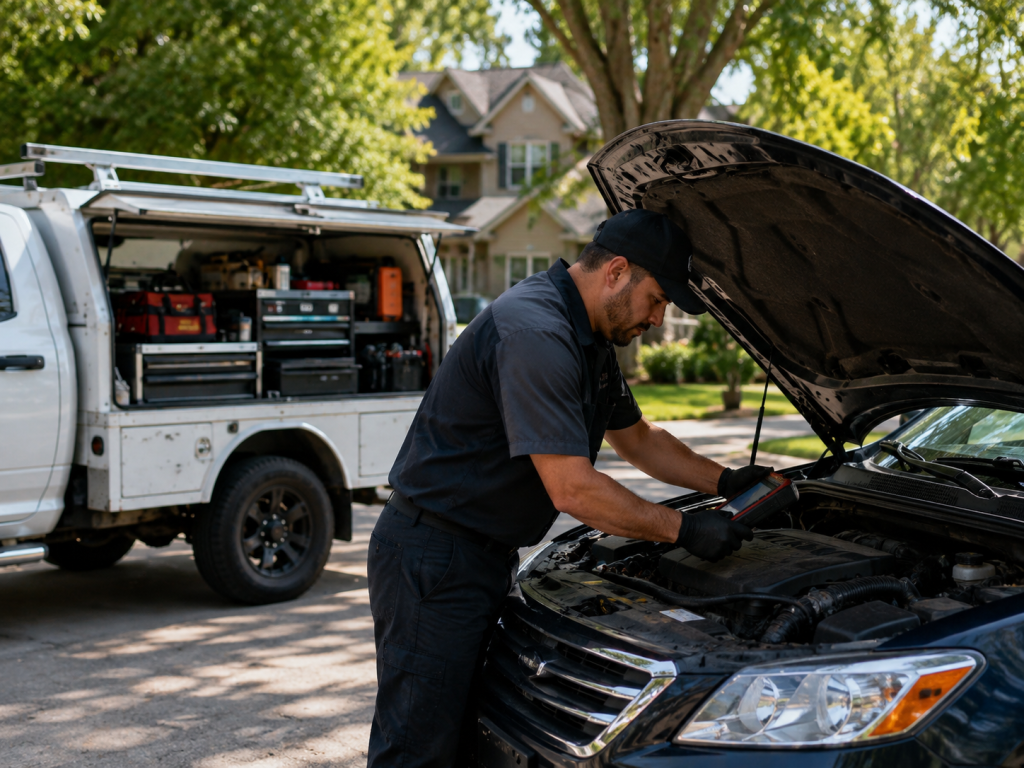
Given how these three separate stresses affect different parts of a vehicle at different times, having a technician familiar with South Florida conditions come directly to your home or workplace offers a real advantage. A mobile mechanic can inspect seals, paint condition, undercarriage components, and post storm damage together, addressing the full range of wear this climate causes rather than treating each concern in isolation.
We covered the broader benefits of this approach in our article on why mobile mechanics are better than traditional auto shops in West Palm Beach, which explains how convenience and local familiarity come together, particularly useful for the kind of comprehensive maintenance this climate genuinely requires.
Protect Your Vehicle From All Three Sides Of West Palm Beach’s Climate
Sun, salt, and the region’s recurring storm pattern are all simply part of life in West Palm Beach, and while none of them can be avoided, staying ahead of how they combine against your vehicle is well within your control. Catching UV damage, salt related corrosion, and storm related issues early can add years to the life of components that would otherwise wear out well before their time here, whether your vehicle sits mostly in a driveway or spends significant time parked near the water.
If it has been a while since your vehicle had a thorough inspection, visit our homepage to learn more about our services, or reach out through our contact us page to schedule a visit wherever your vehicle happens to be in the West Palm Beach area.
A little proactive care now goes a long way toward keeping your car dependable despite everything South Florida’s sun, salt, and storms throw at it throughout the year.